
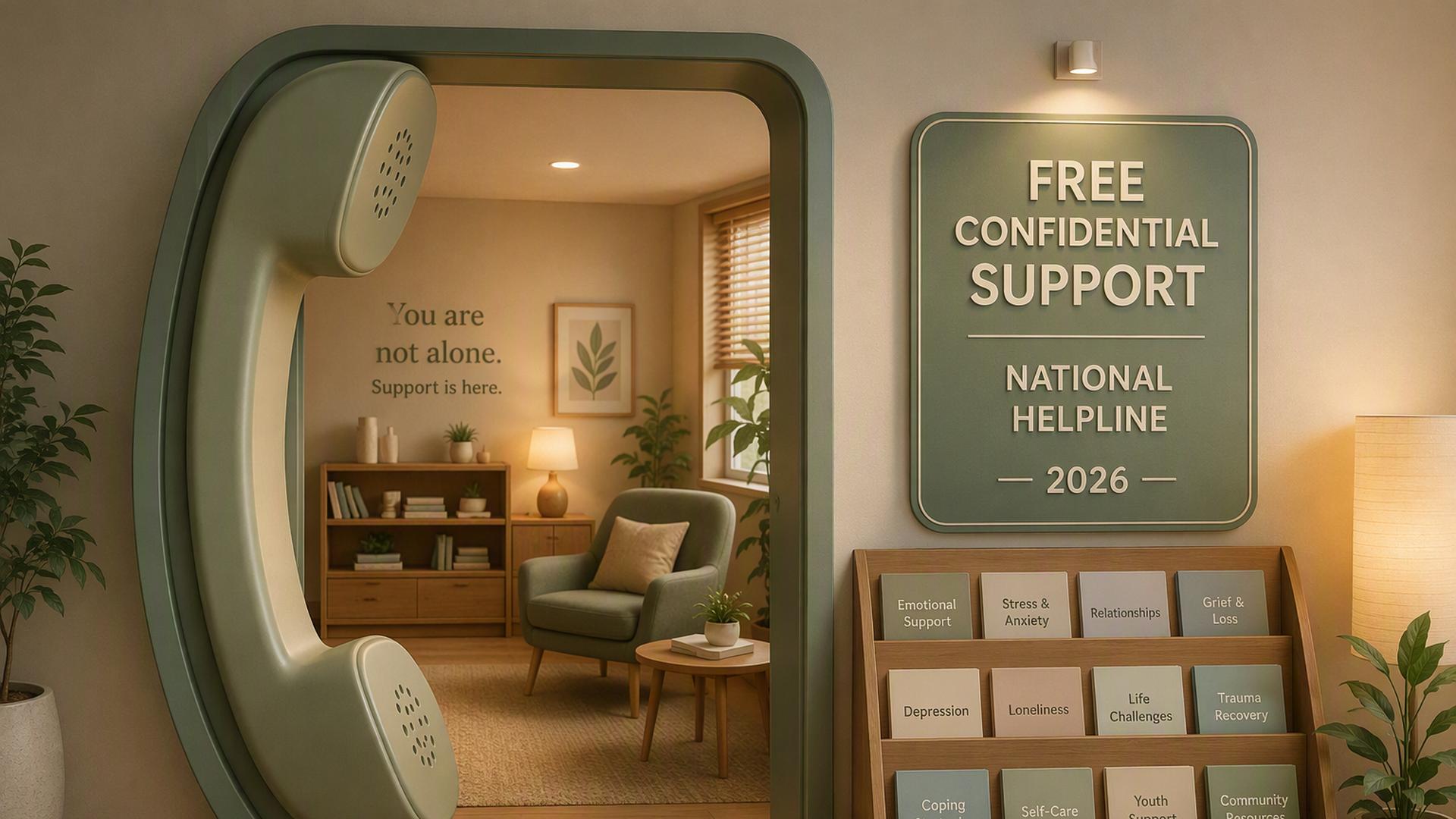
Gambling can become difficult to manage gradually, particularly when online access, financial pressure, or the wish to recover previous losses begins to shape decisions. The GambleAware BeGambleAware National Gambling Helpline 2026 UK search reflects a need for clear, non-judgmental information about where people can turn when gambling is causing concern.
Free support is available for people who gamble, as well as for partners, relatives, friends, and colleagues affected by someone else’s gambling. Speaking to a trained adviser does not commit anyone to a particular treatment path. It is simply a confidential first step to discuss what is happening and identify practical options.
When gambling is creating financial, emotional, or relationship problems, the safest and simplest response is to use an independent support service rather than seek another gambling platform or promotion. A professional adviser can help someone assess their situation without pressure to deposit, play, or continue gambling.
The National Gambling Helpline, operated by GamCare, is designed for precisely this purpose. Its advisers support people at different stages, from those who are beginning to worry about their habits to those facing serious debt, distress, or loss of control.
Support conversations are confidential and centred on the individual’s needs. An adviser may discuss immediate ways to create distance from gambling, explain local treatment options, or help a caller consider how to speak with someone close to them.
This approach can be especially useful for people who feel embarrassed, uncertain whether their experience is “serious enough,” or reluctant to explain their situation to friends or family. There is no need to have a diagnosis, a fixed plan, or a complete account of finances before asking for help.
The main National Gambling Helpline number is 0808 8020 133. Calls are free from UK landlines and mobile phones. GamCare also provides online routes for people who would rather write than speak aloud, including live chat, WhatsApp using the same number, and email at [email protected].
Different contact methods can suit different circumstances. A private phone call may feel most direct, while live chat can be easier for someone at home with others nearby. Email can offer more time to describe a situation carefully, although it is not the right channel for an immediate crisis.
An adviser will normally ask open questions about gambling, its effects, and what kind of support would feel helpful. The conversation may cover spending, debt, the types of gambling involved, emotional wellbeing, or the impact on relationships. It is not an interrogation, and callers can share only what they are comfortable discussing.
The adviser can then point to suitable next steps. These might include specialist counselling, peer-support communities, blocking tools, financial guidance, or practical safety measures. People contacting the helpline on behalf of another person can also receive advice about boundaries and supportive communication.
Support is often most effective when it is paired with small practical changes that reduce easy access. These measures do not solve every underlying issue on their own, but they can give someone time to think, seek advice, and regain a sense of control.
Useful options may include:
Financial stress can increase the urge to gamble, especially where someone hopes a win will solve an urgent problem. In practice, gambling to recover losses commonly creates further pressure. Separating essential money for rent, food, bills, transport, and debt repayments can prevent a difficult situation from becoming more acute.
A helpline adviser may suggest specialist debt support where appropriate. Speaking with a free debt-advice organisation can help someone understand priorities, contact creditors, and build a manageable plan. It is generally better to seek this help early, before missed payments accumulate.
A person’s gambling can affect household finances, trust, routines, and emotional wellbeing. Partners and relatives may feel angry, frightened, exhausted, or unsure how much responsibility they should take. These reactions are understandable, and support is available even if the person gambling is not ready to make changes.
Family members can contact the National Gambling Helpline to discuss their own situation confidentially. An adviser can help them think through immediate financial safeguards, how to communicate without escalating conflict, and where to find ongoing support.
Being supportive does not require paying gambling debts, lending money, or concealing the consequences from others. Clear boundaries can protect both the individual and the relationship. For example, a family member may decide not to provide cash, not to act as a guarantor, or to keep certain accounts separate.
Conversations tend to go better when they focus on observable effects rather than blame. Saying that bills have been missed, savings have been used, or trust has been damaged can be more constructive than arguing about intentions. Professional support can also make it easier to plan these discussions safely.
Gambling harm can sometimes be connected with severe anxiety, depression, panic, or thoughts of self-harm. If someone is in immediate danger or may act on suicidal thoughts, call 999 or go to the nearest accident and emergency department. Do not leave the person alone if it is unsafe to do so.
For urgent emotional support in the UK and Ireland, Samaritans can be contacted free on 116 123. People under 35 who are experiencing suicidal thoughts can also contact HOPELINE247 on 0800 068 4141. These services complement gambling-specific support when the situation feels overwhelming.
Many people delay seeking help because they believe they should first stop gambling alone, repay all debts, or prove that the problem is severe. Waiting for a crisis is not necessary. Support can be useful at the first sign that gambling is taking more time, money, or mental energy than intended.
Early contact can help a person understand patterns before they become more entrenched. It can also help friends and family recognise that the issue is real without having to manage it alone.
The National Gambling Helpline offers a free and confidential route to practical, specialist support for anyone affected by gambling harm in the UK. Calling 0808 8020 133, using GamCare’s live chat or WhatsApp options, or emailing [email protected] can turn a private concern into a supported next step, with advice focused on safety, stability, and lasting control.